

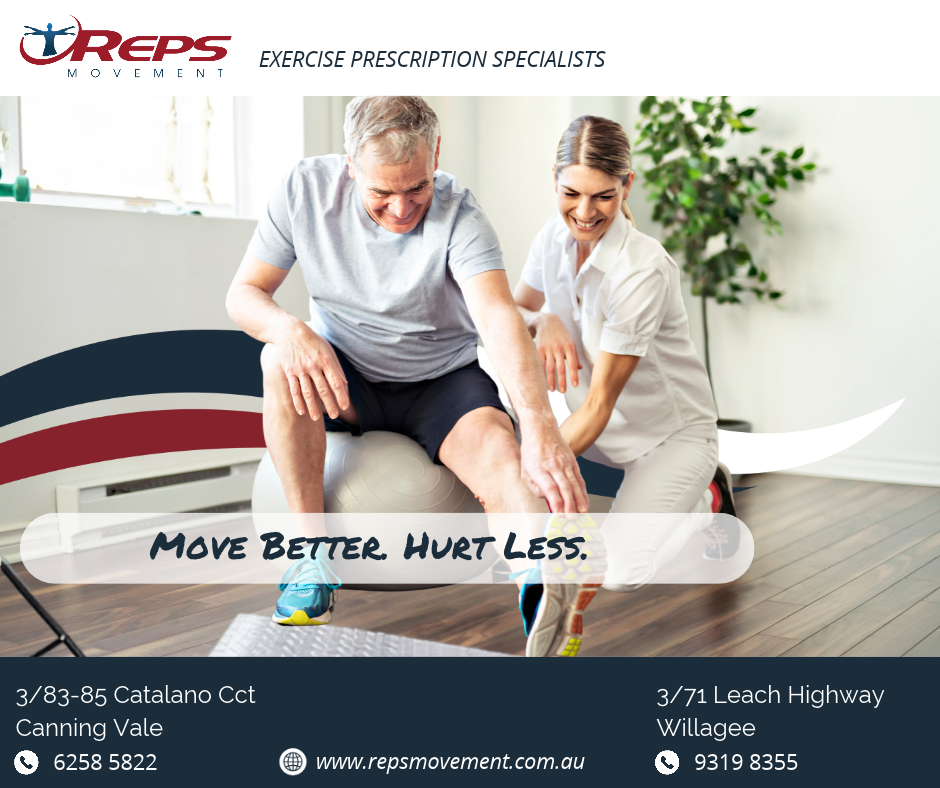
It often starts small: a twinge when you bend to pick up the laundry basket, or a stiffness that greets you before the kettle has boiled. Before long you are sitting differently, lifting more carefully and quietly wondering whether you should stop doing the things that seem to set it off.
If this sounds familiar, you are not alone. Back pain is one of the most common reasons Australians seek health care, and it is also one of the most misunderstood. The advice has changed in your favour, and for most people the way to a calmer back runs through movement, not around it.

Rest Is Not the Answer
Why Staying Gently Active Helps a Sore Back Settle
A day or two of taking it easy when your back is very sore is perfectly reasonable. Longer periods of rest, however, tend to leave muscles weaker, joints stiffer and the nervous system more protective than it needs to be. Clinical guidelines, including the influential Lancet series on low back pain, point to education and exercise as the foundations of care.
Think of your brain as a security alarm that has been turned up too high after an episode of pain. Gentle, graded movement is how we show that alarm it is safe to settle down. Pain is real, but it does not always mean damage.
If you have been avoiding certain movements for fear of making things worse, that is well worth raising with an Exercise Physiologist, who can show you exactly where to start.
Scans, Fear and Flare-Ups
What Imaging Can and Cannot Tell You About Back Pain
Many people worry that a scan will reveal something broken. In reality, disc bulges and other age-related changes are common in people who have no back pain at all, which is why guidelines do not recommend routine imaging for most back pain unless there are warning signs.
This is reassuring, because it shifts the focus from what a picture shows to what your body can do. When we understand pain better, we fear movement less, and that fear is often one of the biggest barriers to recovery.
Movement Is Medicine
What Exercise Physiology Looks Like When Your Back Hurts
A good program is rarely about perfect posture or endless sit-ups. It begins with an assessment of how you move, what your days demand and what you have been avoiding. From there, your Exercise Physiologist builds strength through the trunk, hips and glutes, restores comfortable movement and gradually reintroduces the activities you love.
Walking deserves a special mention. A large Australian trial published in The Lancet in 2024 found that people who followed a progressive walking and education program went nearly twice as long before their back pain returned compared with those who did not. It is a simple reminder that regular, consistent movement is one of the most powerful tools you have.
Why This Matters
Back Pain Tends to Return Without Ongoing Strength
Back pain is often a recurring problem rather than a one-off event. When strength and movement habits slip, the pain frequently finds its way back. This is why short-term relief, while welcome, is only half the story.
The people who stay well tend to build a long-term habit of strength and movement. That steady investment is what makes a back resilient, and it is why we encourage ongoing support long after the pain has settled.
Relief Now, Strength for Years
How Massage, Pilates and Ongoing Training Work Together
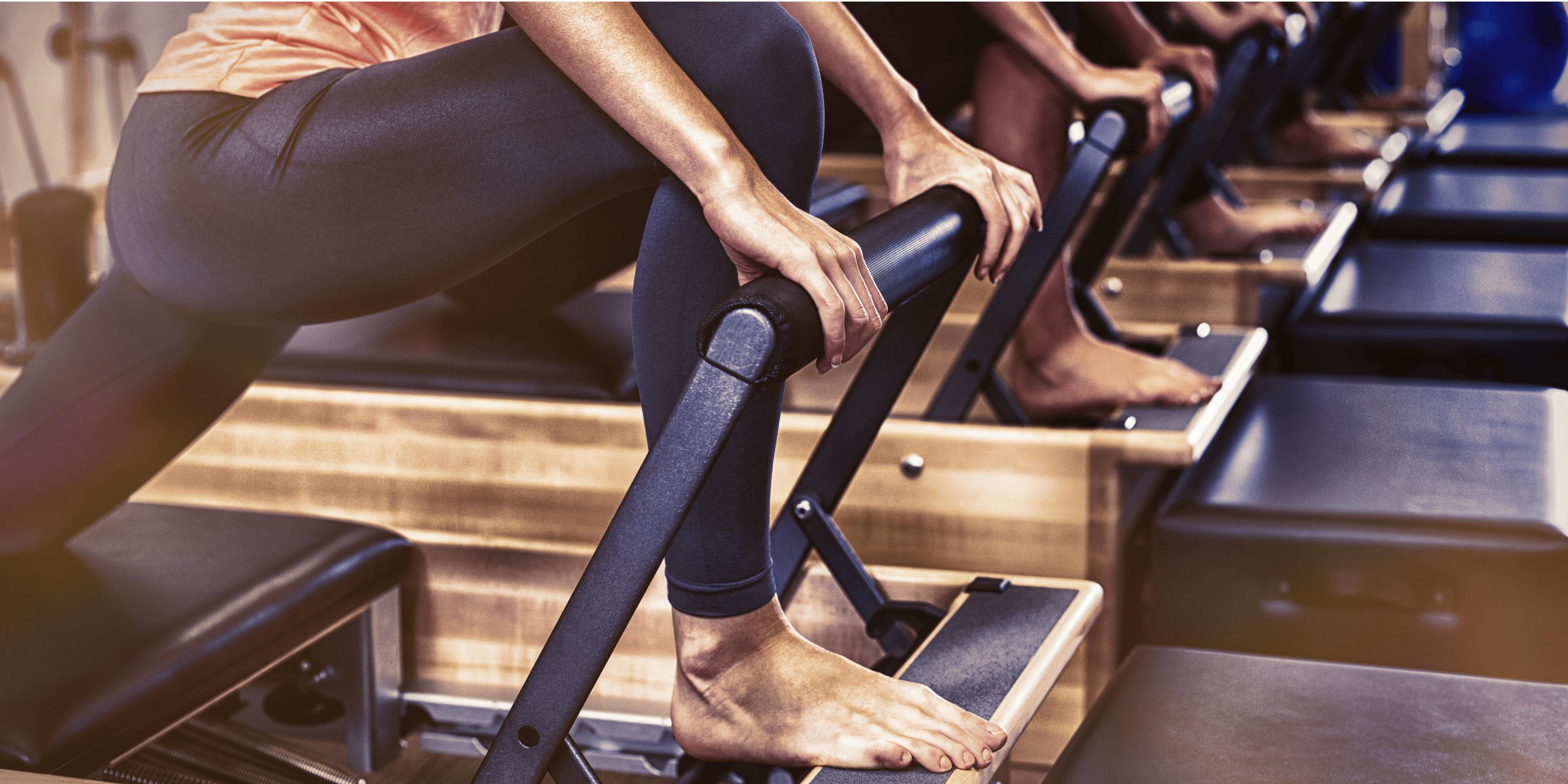
When your back is tight and tender, remedial massage can ease muscle tension and reduce pain in the short term, which opens a window where movement feels easier and more comfortable. Clinical Pilates builds core control and body awareness, so everyday movements feel smoother and more confident.
Our team coordinates all three services so they support each other, and ongoing gym training gives you the structure to keep your back strong long after the flare-up has passed.

Practical Takeaways
Five Steps You Can Start This Week
- Keep walking daily, building up gradually, even on days your back feels stiff.
- Limit bed rest to a day or two and return to normal activity as soon as you can.
- Replace "avoid" with "adapt": modify the movements that bother you rather than dropping them.
- Add two short strength sessions a week focusing on the hips, glutes and trunk.
- Book a professional assessment so your plan is built around you.
If your back pain follows a fall or injury, or comes with numbness, weakness, fever or loss of bladder or bowel control, see your GP promptly.
Your Back Is Built to Move
You Are Not Stuck Where You Are
Back pain can feel like a verdict, but it is far more often a signal that your body needs a different kind of support. With the right guidance, most people find their pain settles, their confidence returns and the things they stopped doing start to feel possible again. Small, steady steps add up, and you do not have to take them alone.
For our current members: If your back has been niggling despite regular sessions, ask your Exercise Physiologist about a program review so your training matches how you feel and what you want to achieve.
For past clients: If life got busy and your routine slipped, there is nothing to catch up on. Book a massage or Exercise Physiology session and we will meet you exactly where you are today.
For those new to REPS Movement: Start with a remedial massage or an Exercise Physiology consultation at Willagee or Canning Vale. We will assess how you move, build a plan for your back and show you how a membership can keep you supported for the long term. If you are over 50, ask us about our Strength for Life program, which requires a GP referral.